


The journey to hair restoration continues after the procedure. Ensuring your grafts are secure in the days after hair transplant is a critical step. This guide provides comprehensive insights on guaranteeing graft security, post-transplant care, and what to expect in the healing process.
Understanding Hair Transplant Surgery
Hair restoration and transplant surgery is a medical procedure designed to restore hair growth in areas affected by hair loss. This procedure involves relocating healthy hair follicles from a donor area, typically the back or sides of the scalp, to the recipient area where hair thinning or balding has occurred. The goal is to achieve natural-looking hair growth that blends seamlessly with the existing hair.
There are two primary techniques used in hair transplant surgery: Follicular Unit Extraction (FUE) and Follicular Unit Transplantation (FUT). FUE involves extracting individual hair follicles and transplanting them to the recipient area, while FUT involves removing a strip of scalp from the donor area and dissecting it into individual grafts. Both methods aim to provide long-term solutions for hair loss, with FUE being less invasive and offering quicker recovery times.
Healthy hair follicles are crucial for the success of a hair transplant. These follicles are carefully selected and transplanted to ensure they thrive in their new location, promoting robust hair growth. By understanding the intricacies of hair transplant surgery, patients can make informed decisions and achieve the best possible outcomes.
The Critical Period Post-FUE: When are Grafts Most Vulnerable?
In the first few days post-FUE surgery, the newly transplanted follicles are at their most vulnerable. Following post-operative care guidelines is imperative to protect them from being dislodged. The grafts will start to secure themselves to the scalp after a week or so, but caution should be observed during this crucial period.
First 72 Hours: Grafts are most susceptible to damage during this period.
Avoid Touching: Resist the urge to touch or scratch the transplant area.
Limit Physical Activity: Strenuous exercise can risk graft displacement.
Stay Hydrated: Hydration can support the healing process.
Avoid Direct Sunlight: Sun exposure can harm sensitive grafts.
Refrain from Alcohol: Alcohol can impede the healing process.
No Swimming: Chlorine and salt water can be detrimental to fresh grafts.
Healing Process After FUE: Stages and Timelines
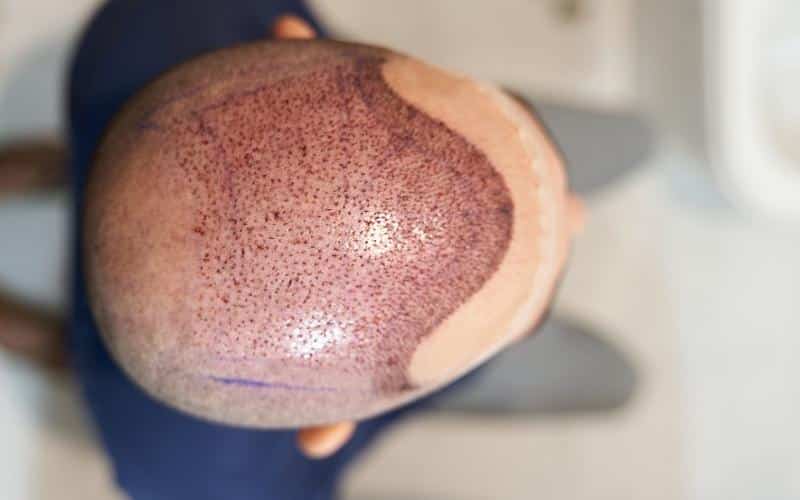
After the FUE procedure, the scalp undergoes various stages of the healing process. The hair follicle plays a crucial role in this process, as it must remain in place for the grafts to secure properly. Initially, there might be minor swelling or redness, which subsides within a few days. Over the next few weeks, the grafts will firmly anchor themselves, and new hair growth will be noticeable within a few months.
Initial Swelling: This typically reduces after 3 to 4 days.
Scabbing Phase: Tiny scabs may form around the grafts but fall off within a week.
Shedding Phase: Transplanted hair might shed, but this is a natural part of the process.
Regrowth Phase: New hair begins to emerge after 3 to 4 months.
Total Results: Optimal growth is generally observed after 8 to 12 months.
Continuous Care: Maintaining scalp health will support the longevity of results.
Regular Check-ups: It’s advisable to have follow-ups with the surgeon to monitor progress.
Time Post-Surgery
Graft Vulnerability
Recommended Action
First 72 hours
High
Absolute care, avoid touch
4-7 days
Moderate
Gentle cleaning, no rubbing
1-2 weeks
Low
Resume light activities
The Hair Transplant Process and Graft Security
The hair transplant process is a meticulous procedure that involves several critical steps to ensure the success of the newly implanted grafts. Initially, hair grafts are harvested from the donor area, which is typically rich in healthy hair follicles. These grafts are then carefully prepared and transplanted into the recipient area, where hair loss has occurred.
After the procedure, the newly implanted grafts are particularly vulnerable and require special care to prevent dislodging. It takes approximately 7-10 days for the grafts to become secure. During this period, the body forms fibrin, a protein that acts like a biological glue, helping to anchor the grafts in place. By around 14 days, the scalp around each graft finishes healing, providing total and complete security for the grafts.
Understanding the timeline and process of graft security is essential for patients to follow post-operative care instructions diligently. This ensures that the grafts remain intact and can thrive, leading to successful hair growth and a natural-looking result.
Factors Affecting Graft Security

Several factors can influence the security of hair grafts after a transplant. Dehydration, oxygen deprivation, and temperature extremes are some of the key elements that can impact graft survival and overall hair growth. It is crucial to follow the hair transplant surgeon’s post-operative instructions to ensure proper care and minimize the risk of complications.
Activities that could cause significant impact, such as strenuous exercise, should be avoided for a few weeks after the grafts are secure. Additionally, smoking and exposure to secondhand smoke can negatively affect graft security and impede hair growth. Maintaining a healthy lifestyle and adhering to the surgeon’s guidelines can significantly enhance the success of the hair transplant procedure.
By being aware of these factors and taking proactive measures, patients can ensure that their newly implanted grafts remain secure and healthy, leading to optimal hair growth and long-term satisfaction with the results.
Importance of Choosing a Qualified Hair Transplant Surgeon
Selecting a qualified hair transplant surgeon is paramount to achieving a successful hair transplant procedure. A skilled and experienced surgeon possesses the necessary training and expertise to perform the surgery safely and effectively. They can provide personalized care and attention, ensuring that the grafts are secure and the patient achieves the desired results.
A reputable hair transplant surgeon will conduct a thorough assessment of the patient’s hair loss condition and recommend the most suitable treatment plan. They will also offer detailed post-operative care instructions to promote healing and graft security. By choosing a qualified surgeon, patients can maximize their chances of a successful hair transplant with natural-looking results.
Researching and selecting a reputable and experienced hair transplant surgeon is a critical step in the hair restoration journey. It ensures that patients receive the highest standard of care and achieve the best possible outcomes from their hair transplant procedure.
Post-Transplant Care: Ensuring Graft Security and Health
For graft safety and to get the best outcomes from the FUE operation, post-transplant care is crucial. Following the doctor’s recommendations will help you recuperate more quickly and avoid issues. In this stage, it’s important to maintain good cleanliness, take your medication, and refrain from doing certain things. After the initial healing period of about 14 days, patients can resume their normal hair care routines with caution to ensure the grafts are not disrupted.
Activity
Time to Resume
Notes
Washing Hair
After 48-72 hours
Use gentle shampoos
Direct Sunlight Exposure
Avoid for 1-2 weeks
Wear hats if necessary
Using Haircare Products
After 2 weeks
Avoid harsh chemicals
Key Takeaway: FUE hair transplants offer a minimally invasive option for restoring thinning or balding areas, with natural-looking results and shorter recovery time compared to other methods. It is essential to consult a medical professional and discuss any possible risks or advantages prior to making a decision.
Promoting Healing and Reducing Swelling
Promoting healing and reducing swelling are crucial aspects of the recovery process after a hair transplant. Here are some tips to help you achieve a smooth and successful recovery:
Elevate Your Head: Sleeping with your head elevated can help reduce swelling and promote healing. Use an extra pillow or two to keep your head at a 45-degree angle.
Apply Cold Compresses: Cold compresses can help reduce swelling and ease discomfort. Apply a cold compress to the affected area for 15-20 minutes, several times a day.
Avoid Strenuous Activities: Avoid engaging in strenuous activities, such as heavy lifting, bending, or exercise, for at least 7-10 days after the hair transplant. This can help reduce swelling and promote healing.
Follow a Healthy Diet: Eating a healthy diet rich in fruits, vegetables, and whole grains can help promote healing and reduce swelling. Avoid foods that are high in salt, sugar, and unhealthy fats.
Stay Hydrated: Drinking plenty of water can help promote healing and reduce swelling. Aim to drink at least 8-10 glasses of water a day.
Avoid Smoking and Alcohol: Smoking and alcohol can impede the healing process and increase the risk of complications. Avoid smoking and alcohol for at least 7-10 days after the hair transplant.
Follow Your Surgeon’s Instructions: Your hair transplant surgeon will provide you with specific instructions on how to promote healing and reduce swelling. Be sure to follow their instructions carefully to ensure a smooth and successful recovery.
By following these tips, you can help promote healing and reduce swelling after a hair transplant. Remember to be patient and gentle with your hair and scalp during the recovery process, and avoid any activities that may cause discomfort or irritation.
Common Mistakes After FUE: Activities to Avoid for Hair Graft Protection
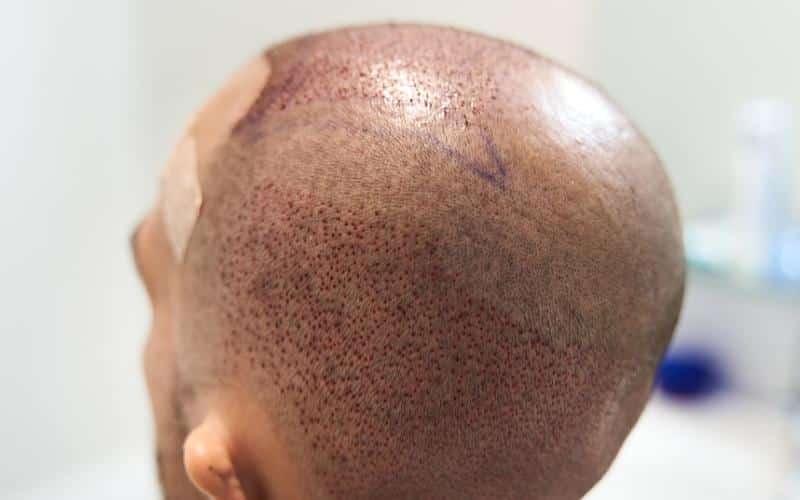
Certain activities can jeopardize the success of an FUE transplant, especially in the initial post-operative days. It’s essential to be informed about common pitfalls to ensure graft survival. Recognizing and avoiding these mistakes can make a significant difference in the outcome. After your hair transplant session, it is crucial to follow post-operative care instructions to avoid complications and ensure proper healing.
Scratching: Avoid scratching even if the area itches, as it can dislodge grafts.
Smoking: Nicotine can impede blood flow and slow down healing.
Alcohol Consumption: Alcohol can thin the blood and interfere with graft health.
Wearing Tight Hats: These can apply undue pressure and disturb the grafts.
Direct Sun Exposure: UV rays can harm and delay the healing of the transplant area.
Strenuous Activities: Heavy lifting or high-impact exercises can increase the risk of graft displacement.
Ignoring Signs of Infection: If there’s excessive redness, pus, or swelling, consult the surgeon immediately.
Physical Activities and Grafts: When is it Actually Safe to Return to Exercise?
While light activities can often be resumed shortly after FUE, it’s crucial to wait before re-engaging in strenuous exercises to protect the transplanted hairs. This wait ensures the grafts are secure and reduces the risk of complications. Usually, patients can return to their regular workout routines after a few weeks, but always under a doctor’s guidance.
Walking: Light walks can typically be resumed a day or two after surgery.
Jogging: Wait 10 days to avoid excessive sweating and graft disturbance.
Weight Lifting: Heavy lifting should be avoided for at least 3-4 weeks post-surgery.
Swimming: Pools and sea swimming should be avoided for about a month to prevent chlorine or salt exposure.
High-Impact Sports: Activities like soccer or basketball should be postponed for at least a month.
Yoga: Positions that require inversion or excessive scalp pressure should be delayed.
Consultation: Always consult with the surgeon before reintroducing any exercise post-surgery.
Washing Your Hair Post-FUE: Guidelines to Protect Newly Transplanted Follicles
Hair washing after an FUE transplant is a delicate process that requires specific techniques to avoid damaging the grafts. During this period, it is crucial to handle the new hair grafts with gentle care, especially while washing, to ensure their successful integration and regrowth. Gentle washing can commence a few days post-surgery, with particular products advised by the surgeon. Regular washing routine can typically be resumed after a couple of weeks.
Wait Period: Usually, it’s advised to wait 48-72 hours post-surgery before the first wash.
Gentle Touch: Use fingertips to softly clean the grafts without applying direct pressure.
Special Shampoos: Mild or prescribed shampoos can help in preventing irritation.
Avoid Hot Water: Lukewarm water is best, as extreme temperatures can be harmful.
Pat Dry: Instead of rubbing, pat the scalp gently with a soft towel.
Avoid Hair Dryers: Let the hair air-dry or use relaxed settings if necessary.
Regular Routine: After 10-14 days, most patients can revert to their standard washing habits.
Key Takeaway: Following your doctor’s post-operative instructions and avoiding any lifestyle habits that could hinder healing are important steps to ensure the successful security of grafts after an FUE hair transplant.
Signs of Successful Graft Implantation: Recognizing Secure and Healthy Grafts
Recognizing the signs of successful hair graft implantation can offer patients peace of mind. A healthy recovery shows through minimal inflammation, the absence of complications, and the onset of new hair growth. Regular check-ins with the surgeon can also validate the progress.
Reduced Redness: Over time, the initial redness post-transplant should diminish.
Stable Grafts: By the 10-day mark, grafts should be firmly anchored and not easily dislodged.
No Continuous Pain: While mild discomfort is normal, persistent pain isn’t a good sign.
Hair Shedding: Initial shedding of transplanted hair is normal and signals the beginning of the growth phase.
New Growth: After 3-4 months, the emergence of new hair indicates successful graft implantation.
Absence of Infections: No pus, excessive swelling, or discharge should be present.
Regular Scalp Sensation: Gradual return of scalp sensitivity is a positive sign.
Time Post-Surgery
Expected Signs
What it Indicates
1 week
Reduced Redness
Healthy healing
10 days
Stable Grafts
Successful implantation
3-4 months
New Hair Growth
Positive progress
Potential Complications: How to Detect and Respond to Graft Loss
While FUE has a high success rate, potential complications can arise. Being aware of these signs and responding promptly ensures the best possible outcome. Graft loss, while rare, is one such complication that should be tackled with immediate medical advice. Proper post-operative care in hair transplantation is crucial to prevent complications such as swelling and ensure the best results.
Warning Sign
Immediate Action
Notes
Persistent Swelling
Contact Clinic
Might indicate complications
Severe Pain
Consult doctor
Not a standard recovery symptom
Signs of Infection
Seek medical advice
Can jeopardize grafts
Key Takeaway: Post-operative care is essential for successful FUE hair transplants; following instructions given by a doctor, such as avoiding activities that cause trauma and using gentle pressure when washing the scalp, can help reduce risks and ensure optimal results.
Long-Term Expectations: Graft Survival and Hair Growth After FUE Transplant
The FUE transplant offers a lasting solution for hair loss, with grafts typically surviving for a lifetime. Proper care ensures that the transplanted hair blends seamlessly with existing hair, offering a natural look. Regular check-ins and scalp care can maximize the longevity of the results. FUE hair transplant surgery provides long-term benefits, ensuring patients can expect enduring and natural-looking results.
Lifelong Grafts: Properly secured grafts typically don’t fall out and can last a lifetime.
Natural Blending: As the hair grows, it blends with the surrounding hair.
Regular Maintenance: Just like natural hair, transplanted hair requires regular washing, trimming, and care.
Scalp Health: Maintaining a healthy scalp ensures the longevity of graft results.
Future Hair Loss: While transplanted hair remains, surrounding hair might still be subject to genetic hair loss.
Regular Monitoring: Regular check-ins with the doctor can address any concerns and maintain hair health.
Patient Satisfaction: Most patients report high satisfaction levels with the FUE technique, given its natural results and minimal scarring.
Securing grafts post-transplant is essential for long-term hair restoration success. With proper care, attention, and following expert guidelines, you can ensure your grafts remain secure after your hair transplant. Embrace your new hair journey with confidence, equipped with the knowledge to maintain and enjoy lasting results. If you’re considering taking this transformative step or have more questions about your post-transplant journey, expert help is just a click away at Best Hair Transplant at Los Angeles
Book a Consultation with our hair restoration specialists today and pave your path to a more confident tomorrow.
Key Takeaway: The cost of an FUE hair transplant can vary depending on the number of grafts needed, type of clinic chosen and experience level of surgeon. Consequently, it is essential to investigate beforehand so as to guarantee safety and attain the desired outcome.
FAQs on Keeping Grafts Secure After Your Hair Transplant
How long does it take for grafts to become secure after a hair transplant?
Typically, grafts become significantly more secure after 7-10 days post-transplant, although complete healing and graft anchoring might take a bit longer.
What activities should I avoid to ensure grafts are secure after my hair transplant?
Avoid strenuous physical activities, direct sun exposure, swimming, and any actions that cause excessive sweating or scalp tension in the first few weeks post-procedure.
How do I wash my hair to keep the grafts secure after the transplant?
Waiting for at least 48-72 hours, post-surgery is recommended before washing. When you do, use lukewarm water and gently pat the scalp, ensuring minimal graft disturbance.
Will wearing a hat impact grafts’ security after my hair transplant?
Wearing a hat after a hair transplant can potentially impact graft security, especially if the hat is too tight or causes friction on the scalp. It is generally recommended to avoid wearing hats or any other headgear for at least 2 weeks after the procedure to minimize the risk of dislodging the grafts.
If you need to wear a hat, make sure it is loose and gentle on the scalp. Avoid touching or rubbing the transplanted area to prevent any disturbance to the newly implanted grafts. It is always best to follow the hair transplant surgeon’s post-operative instructions and advice on wearing hats or any other headgear after a hair transplant.
By adhering to these guidelines, patients can ensure that their grafts remain secure and achieve the best possible results from their hair transplant procedure.
Will wear a hat impact grafts' security after my hair transplant?
Wearing a loose hat can protect against sun exposure, but tight hats should be avoided as they may disturb the newly transplanted grafts.
When can I return to work, ensuring my grafts remain secure after the hair transplant?
Most patients can return to work after a few days, depending on the nature of their job. Jobs requiring physical exertion might require a longer break.
Best Hair Transplant
1970 S. Prospect Ave., Suite 2 Redondo Beach, CA 90277
(213) 403-0455
https://www.google.com/maps?cid=9280610872186794918
To ensure your ease of mind, you can view our customer recommendations HERE. Furthermore, you can also see our Google reviews and Yelp reviews. We can’t wait to help you start restoring your lost hair.